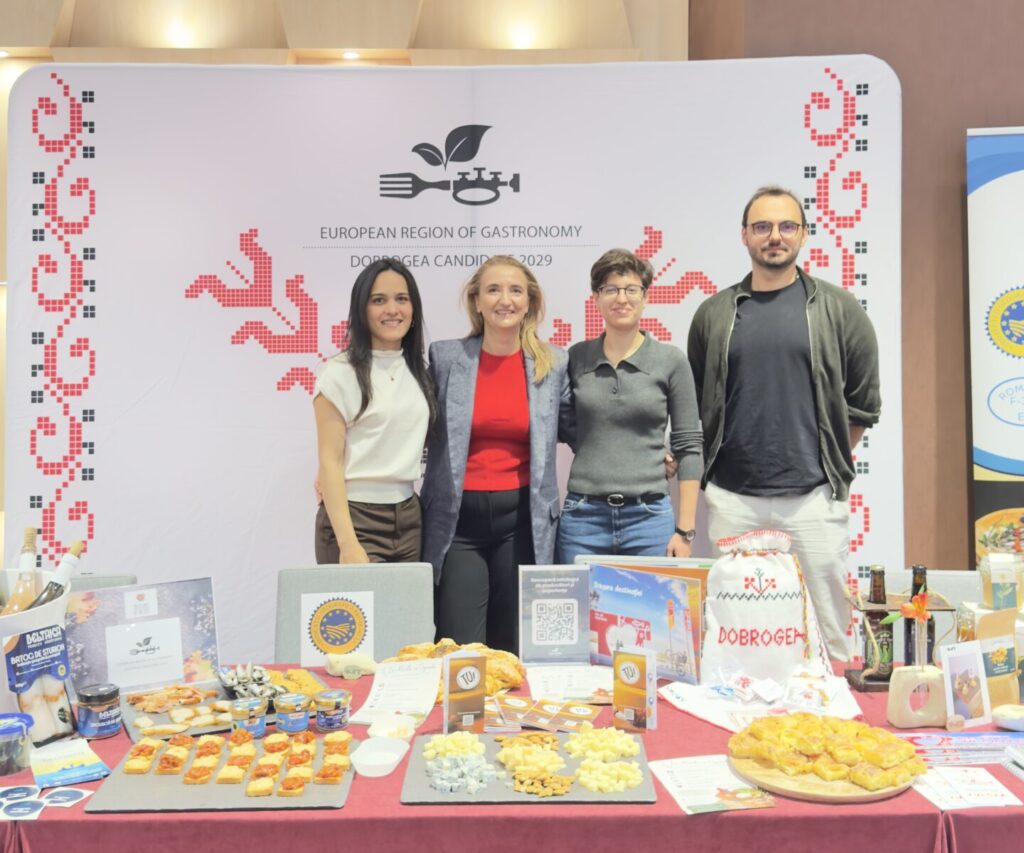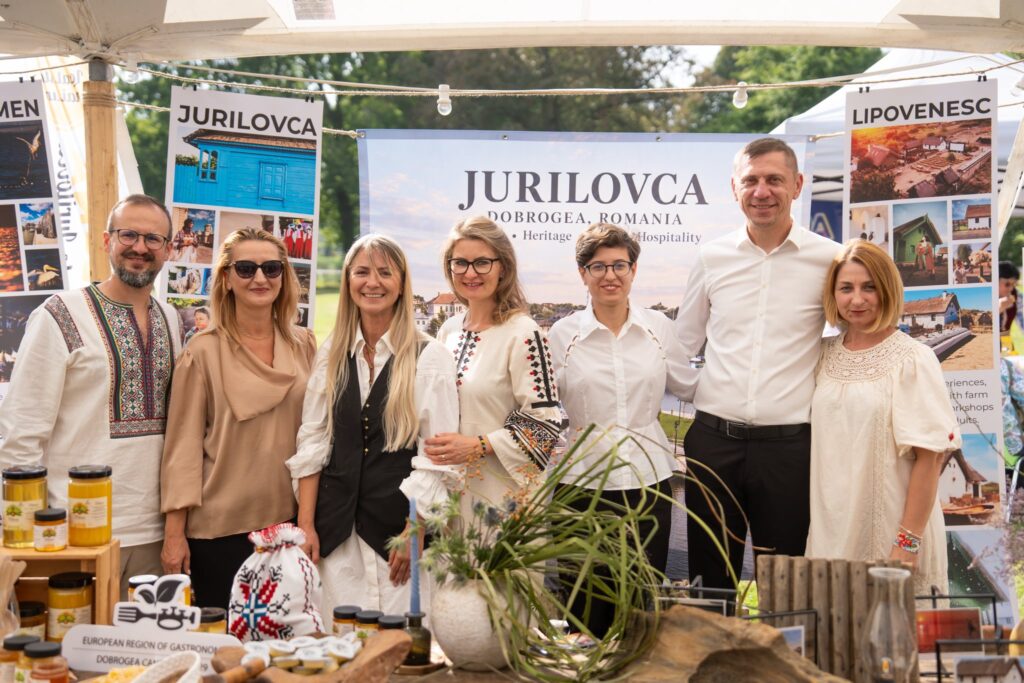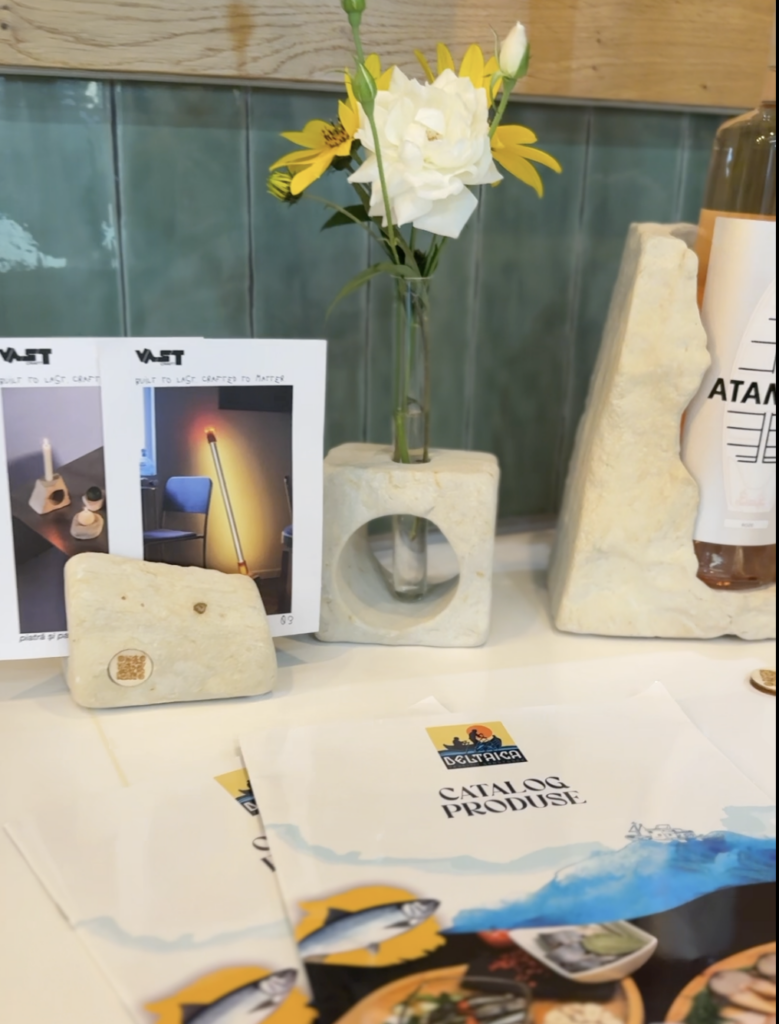
At Flavours of Dobrogea, we kept circling the same question: how do you connect Dobrogea’s small producers with the restaurants and hotels that should be buying from them? It sits at the heart of our European Region of Gastronomy 2029 candidacy, and it’s exactly the kind of problem that doesn’t get solved with good intentions alone. So when Ambasada invited sponsors to bring real challenges to its first AI hackathon, we said yes.
Why a gastronomy candidacy turns up at an AI hackathon
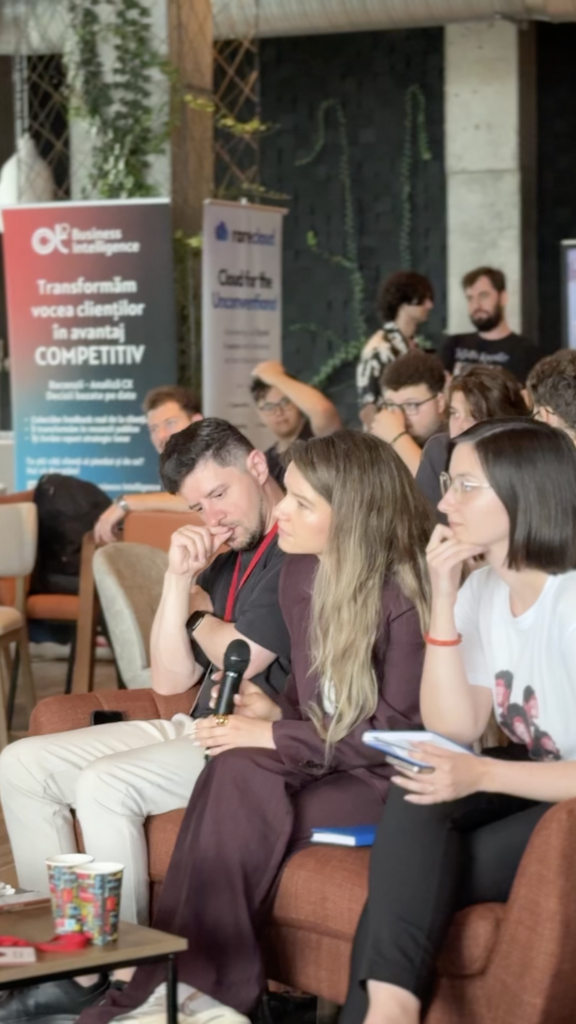
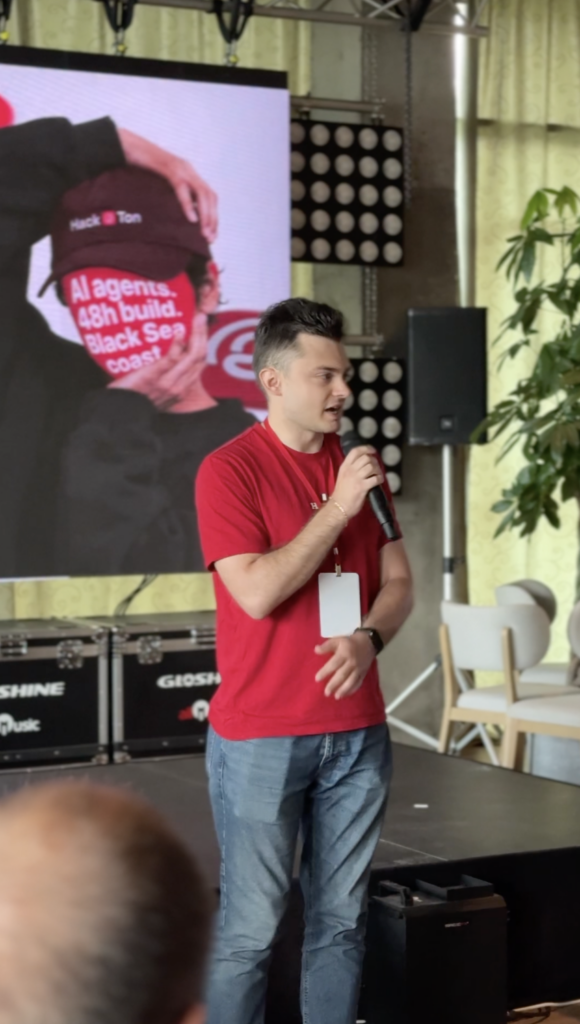
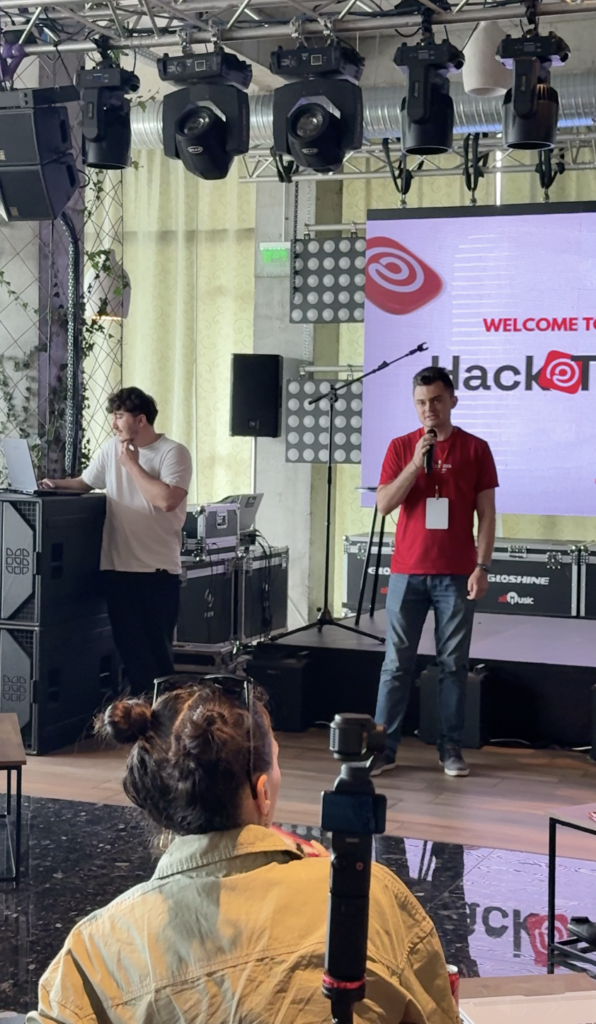
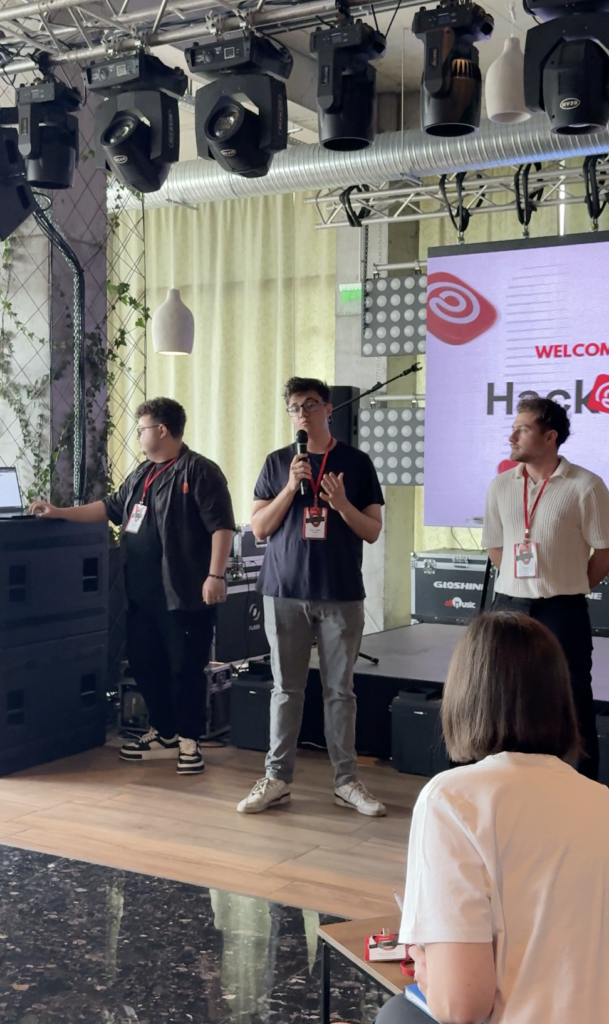
Hack A Ton by Ambasada (5–7 June 2026, at ThePlace in Mamaia) was the first private AI hackathon on the Romanian coast, three days that turned Constanța into a meeting point for founders, developers and students. More than 100 participants formed 20 teams and built working products in 48 hours, competing for over €1,000 in prizes. Ambasada, a community hub for builders based in Constanța, runs on a simple conviction: that Romania’s next great companies can be built on the coast, not in spite of it. That belief sat well with ours.
As a sponsor, we, Flavours of Dobrogea, didn’t bring a slogan. We brought a real problem.
The problem: “Warm Leads”
Picture a honey-maker, a small winery, a cheese producer. Each makes something wonderful, then loses the week trying to sell it jar by jar at a roadside stand. The real opportunity is B2B: the restaurant that wants local cheese on its terroir menu, the boutique hotel that puts regional honey in its breakfast baskets, the deli that sells what tourists can’t carry home. Those buyers are often just a few kilometres away, and they never hear about the producer. The producers, for their part, rarely have the time, the contacts or the sales skills to find them.
Our challenge, which we called Warm Leads, asked teams to build an AI agent that fixes exactly this. A producer declares what they make, how much, and within what delivery radius. The AI agent then scouts the surrounding area, works out which nearby businesses plausibly need those products (reading menus, cuisine and price tier to infer real demand) and hands the producer three high-quality leads a week, each with a one-line reason and a ready-to-send outreach message. Then it learns from what worked and what didn’t.
It looks intermediate on paper and is genuinely hard in practice, because a good lead isn’t “a restaurant nearby” it’s “this kitchen actually buys goat cheese.” That gap is where intelligence lives.
The team that cracked it: ACE
What made the weekend for us was watching two teams choose Warm Leads and attack it from genuinely different angles.
The team that named itself after the brief:
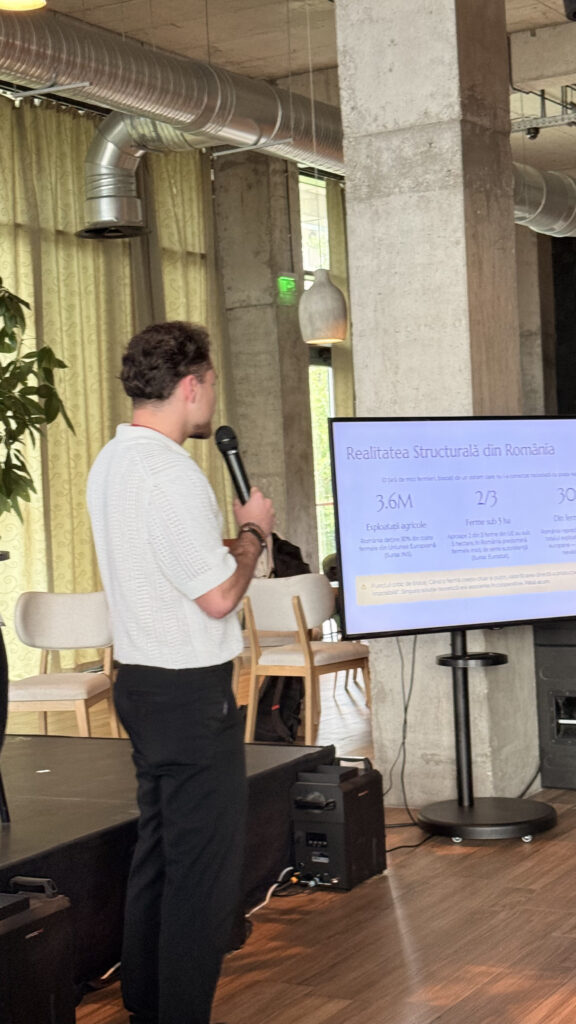
Warm Leads by TBA started where every good product starts: with a real person. They designed an agent where the producer just describes what they offer, and the system generates relevant leads automatically. Their approach was to read the signal already out there on the internet: menu photos and reviews, which they used to build a database of restaurant and hotel menus mapped to the ingredients those kitchens actually need.
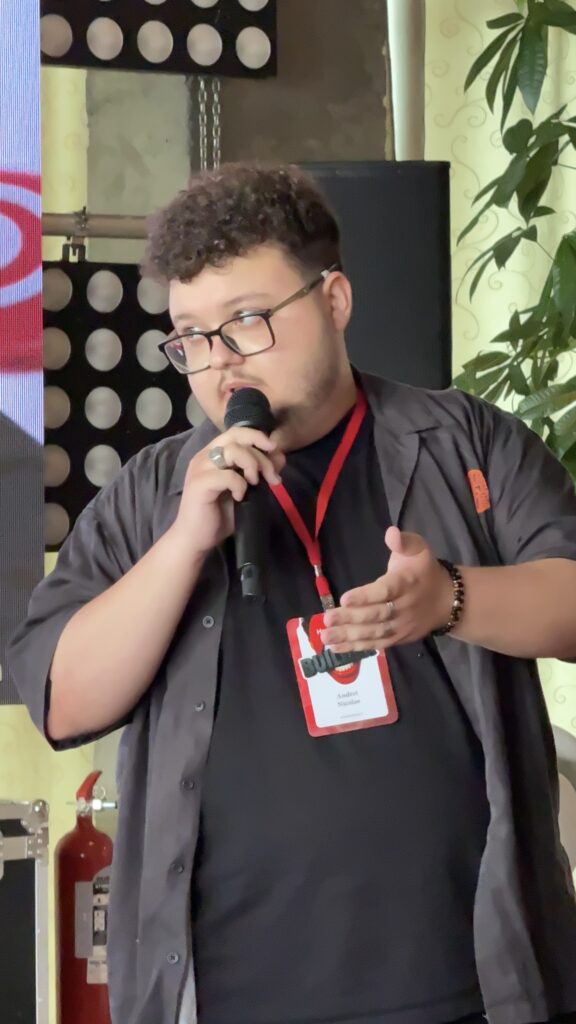
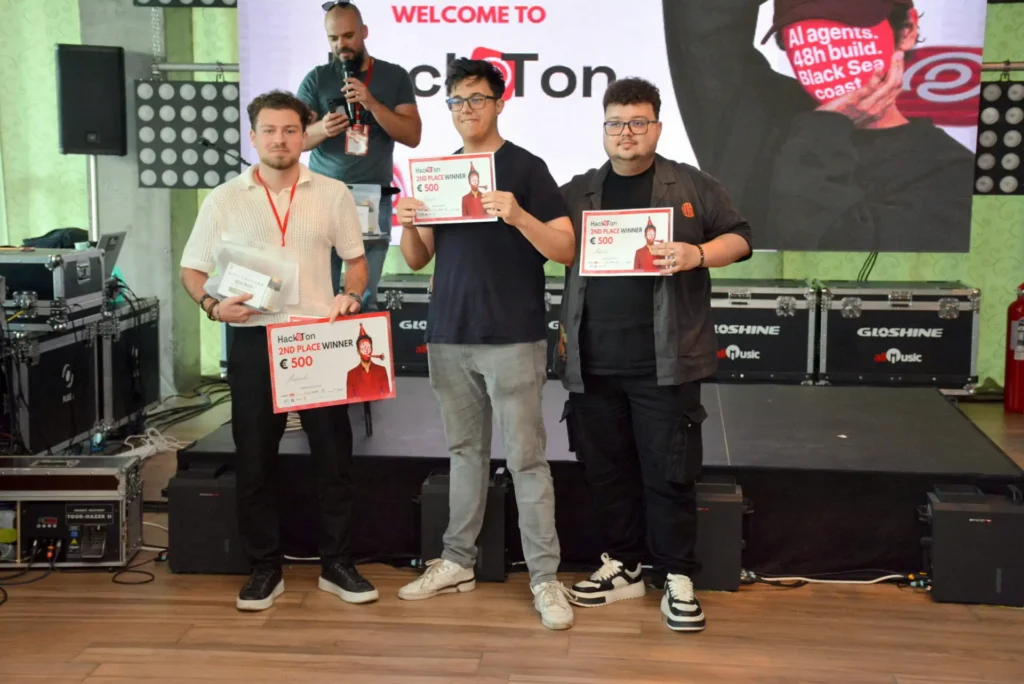
ACE: Eduard Ilea, Cezar Turliu and Andrei Nicolae, came at it from the market, with a clear “why now”. On that foundation they built a database drawn from menus available online, paired with an AI chatbot for the producer: a tool that identifies the right restaurants for a producer’s goods based on what’s actually on the menu and the type of dishes served, and then guides the producer through the sales approach itself, so reaching the right HoReCa partner stops being guesswork.
Both answers were real, and both spoke directly to a problem our producers live with every single week. In the end, the jury awarded ACE second place overall at the hackathon and Warm Leads by TBA the fourth place, and we’re grateful to both teams for the time and thought they poured into a challenge that matters so much to us.
Why this matters for 2029
It would have been easy to treat a gastronomy candidacy and an AI hackathon as two separate worlds. We don’t see it that way. An European Region of Gastronomy is built on living connections; between producers and restaurants, between territory and table; and tools like Warm Leads are one very practical way to make those connections happen at scale, and to keep them alive after the spotlight moves on.
So our thanks go to Ambasada, Teodora Moraru, Cătălin Cenac and Paul Burcă, for the invitation, and for building, in a single edition, the kind of community energy the coast has been waiting for. And our congratulations to ACE, who reminded us that some of the best things for Dobrogea’s future might be built a little further down the coast, in 48 focused hours, by people who simply decided to ship.
The producer-to-buyer problem is still real. But for one weekend in Mamaia, we got to watch it being solved… And that is a very good place to start.