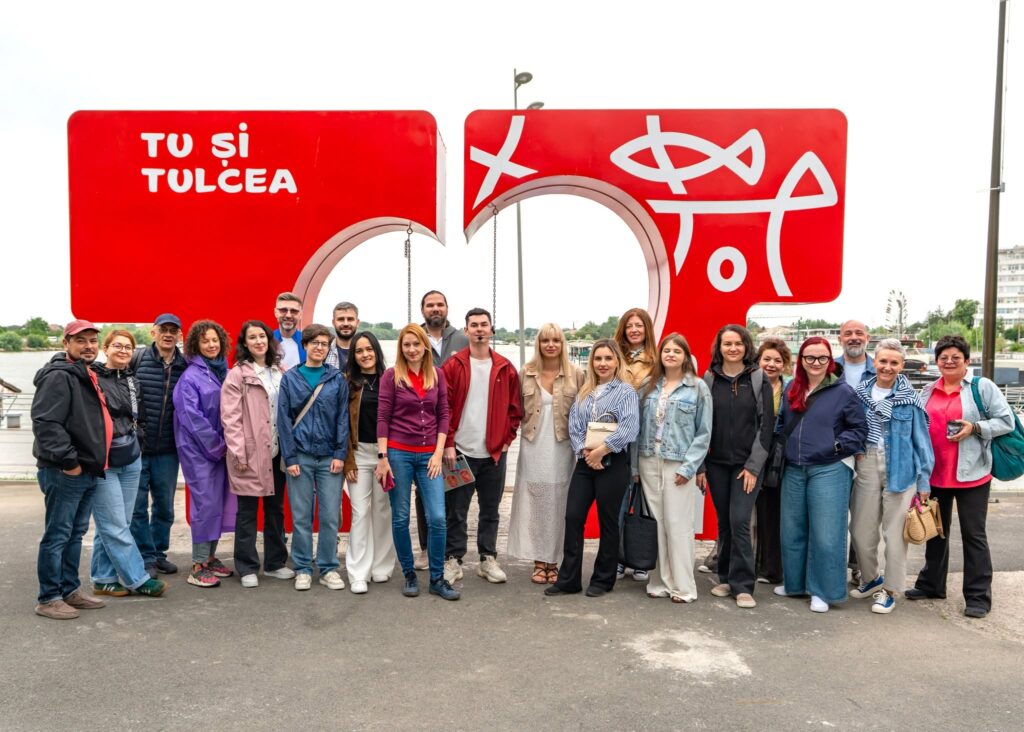
This spring, the team behind “Tu și Tulcea” invited us to join a group of journalists and content creators exploring the city during the “Scrumbii de Rusalii” Festival, and we’re grateful they did. Their aim was to show us something they believe in deeply: that Tulcea is not only the gateway to the Danube Delta, but a destination in its own right, layered with history, culture and flavour. So, following their lead, we began with the city itself.
A city that reveals itself on foot
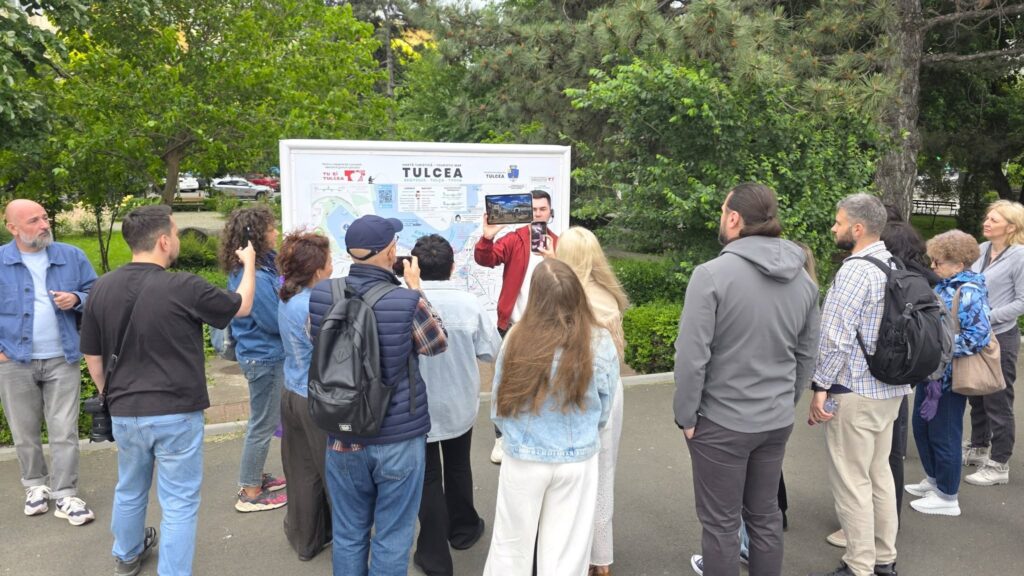
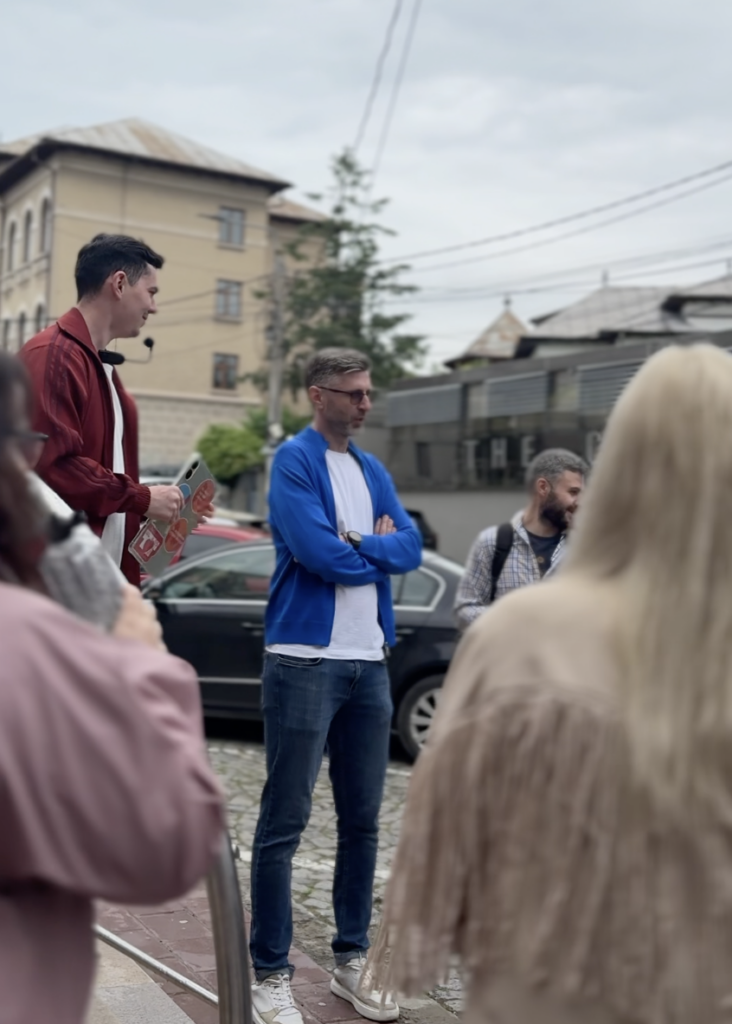
Tulcea doesn’t open up from a car window. It asks to be walked, and it helps to walk it with someone who can read it. Our guide, Adrian of Urbea Dunării, isn’t the sort who ticks off landmarks; he rebuilds the atmosphere of a place from small details, a doorway, a stretch of stone pavement, the story of a merchant family.
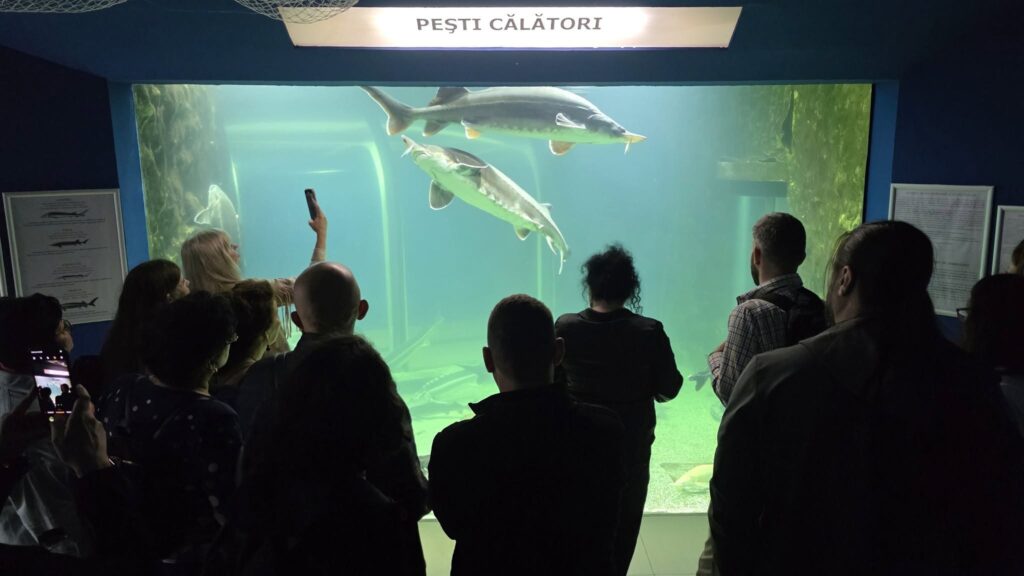
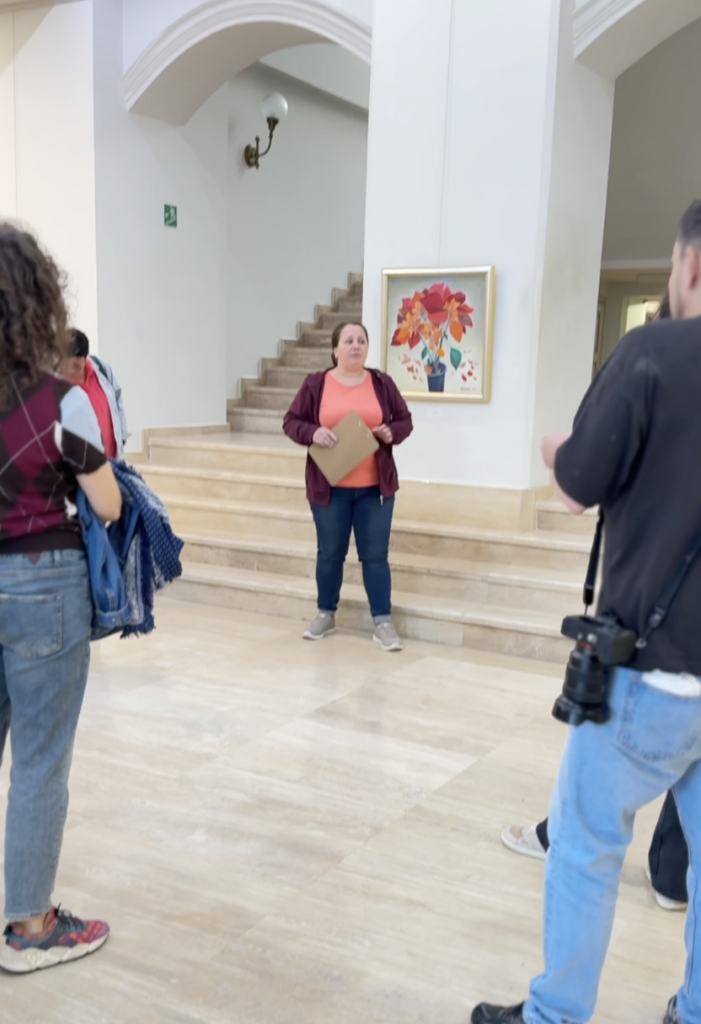
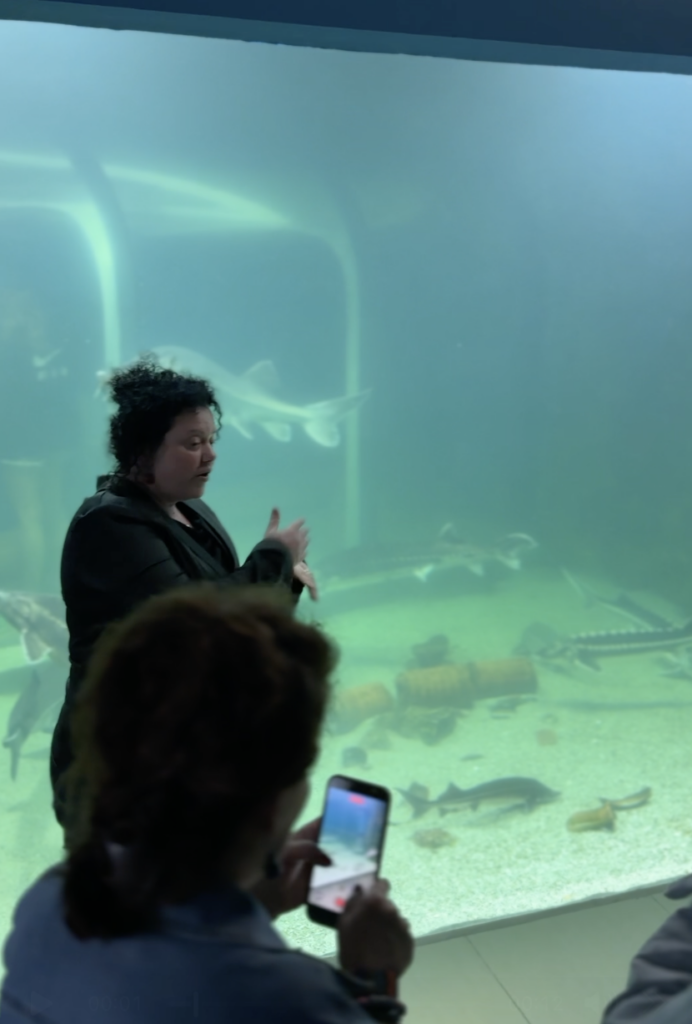
Our first stop was Casa Avramide, beautifully restored, where the elegant staircase, white columns and tall windows make clear that Tulcea was once a prosperous, cosmopolitan port, not just a stop on the way to somewhere else. Rain pushed us indoors, which turned out to be lucky: the Art Museum took us by surprise. Housed in a former Ottoman administrative palace, it holds important Romanian paintings, names such as Grigorescu, Aman, Tonitza, Pallady and Brauner, explained with real warmth by the resident guide. We finished at the “Danube Delta” Eco-Tourism Museum Centre, the city’s aquarium, which offers a first, clear glimpse of the watery world waiting just beyond.
Into the Delta, at the Delta’s pace
The next day belonged to the water. With Ciprian of Safca Delta Tours, the Delta stopped feeling like a route between two points and became a story you’re carried through.
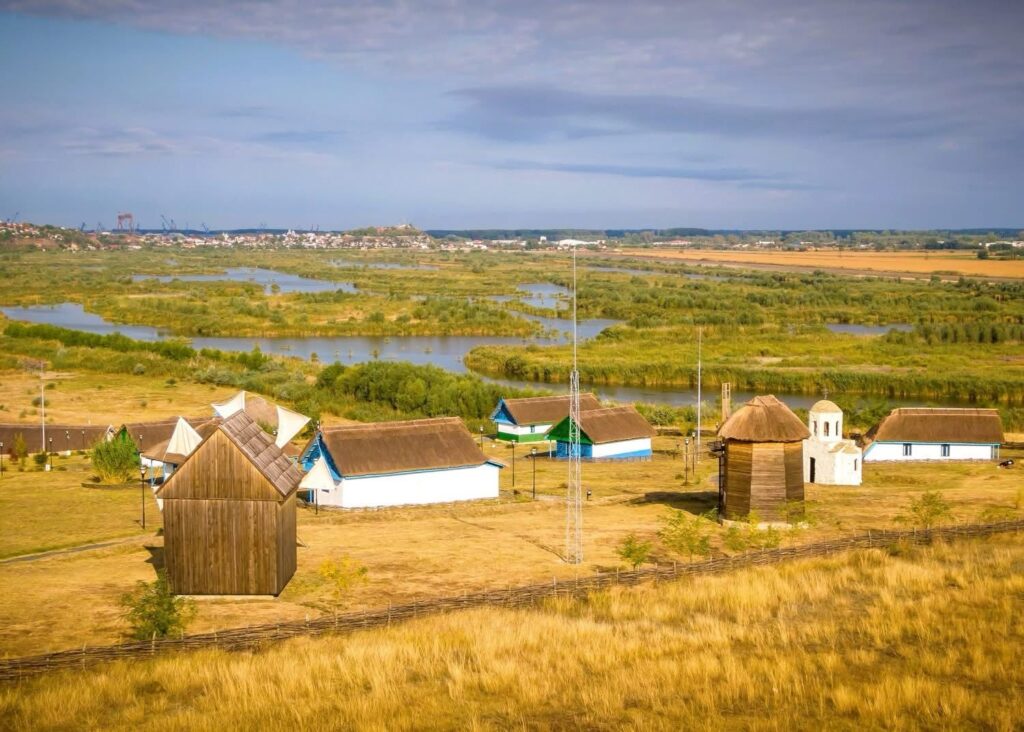
There were the sudden, almost overwhelming moments: pelicans lifting off the water, and the wild horses of Letea appearing at the forest’s edge, free in a way that’s hard to put into words. At Mila 23 the tone shifted again. The Ivan Patzaichin Museum honours not only the Olympic champion but the community and future of the Delta itself, its memorial rising quietly above a world built on water and reed.
Next door, we sat down at La Lucica, the first Local Gastronomy Point (PGL) in Romania, opened by Lucica Buhaev, Ivan Patzaichin’s sister-in-law. There is no “restaurant” here in the usual sense: you eat in someone’s home, around a table laid with intention. Her beluga sturgeon storceag (made with dill, not lovage), fried fish with polenta and Dobrogean pies need no tricks. As she told us, “I don’t want to get rich; I cook with pleasure, for pleasure” and that, more than anything, is why the country’s first PGL became one of roughly 550 today.
A region you can taste
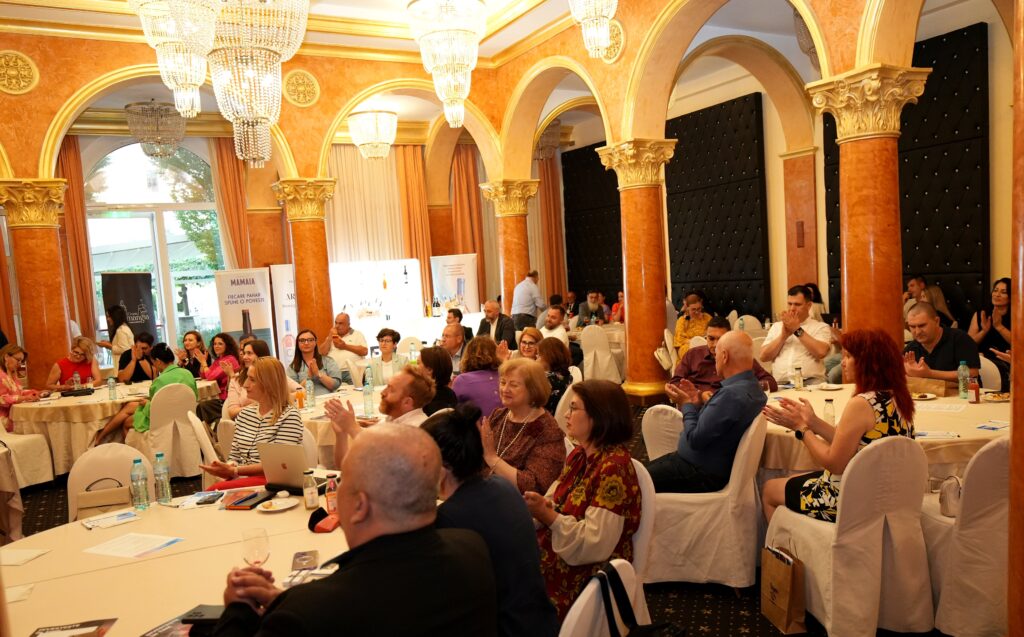
Food was the thread tying it all together. The festival, held at the open-air Fishing Village Museum, kept everything refreshingly natural: grilled shad, fish borș, Dobrogean pies, local wines and crafts, with families on the grass and music that had genuine craft to it… nothing manufactured for the camera.
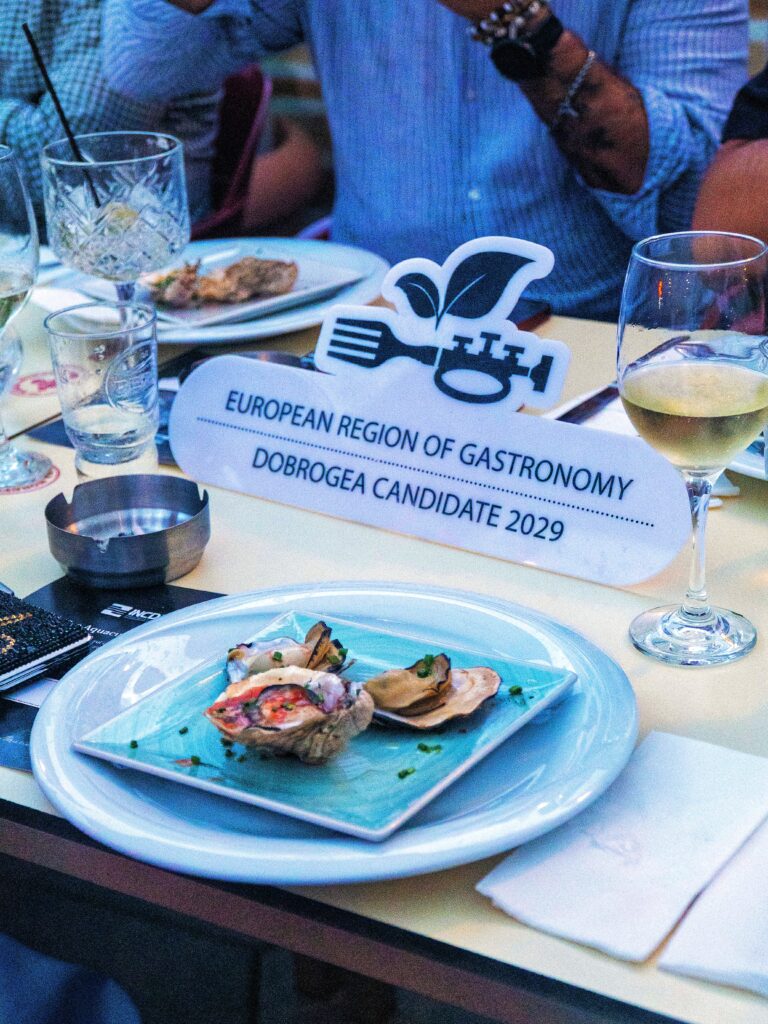
Around the festival, two tables completed the picture. At Ivan Pescar, Delta and Black Sea fish are cooked slowly by Lipovan cooks, with a simple, honest philosophy: fresh, local, seasonal, and you taste it on the plate. At La Liman, on the Ivan Patzaichin promenade, host Adi Gemănaru reinterprets local recipes for a contemporary table without stripping away their identity. Alongside, we explored the region’s wines: Adrian Luca’s Babadag bottlings at Crama Liuta, Roberto Pieroni’s wines at La Sapata, and the biodynamic wines of Domeniul Bogdan, near Medgidia.
Why we keep doing this
Tulcea is sometimes called the city of seven hills, and like Rome it rises, hides and reveals itself gradually toward the Danube. But the real reason an event like this matters isn’t the views, the museums or even the food. It’s the people, and the hosts at “Tu și Tulcea,” who bring them all together: the guides, cooks, winemakers and welcomers who treat you as if you were an old friend, and who stay with you long after you’ve left. Our heartfelt thanks to them for the invitation, and for the care they put into every detail.
You come for the photographs and the traditional dishes. You return for them. Their invitation stands, in every season: come to Tulcea, take your time, and let the people show you the rest.
(Ivan Patzaichin Museum, photographed from a drone / photo: Todică Răzvan)